Internet and Remote Work from a Campervan in Scandinavia: Coverage, SIM Cards, and Practical Tips.
Working remotely with a view of Norwegian fjords, Swedish lakes, or the Lapland tundra is a dream for many travelers. Scandinavia offers some of the best conditions in Europe for this style of travel. Thanks to a highly developed mobile network, stable internet is pretty much the standard here.
Here’s a quick guide to coverage, SIM cards, and organizing your workday on the road in the North.
What’s the Mobile Coverage Really Like?
- Finland: Unquestionably the leader. Fast LTE/5G works seamlessly, even deep in the Lapland forests or beside remote lakes.
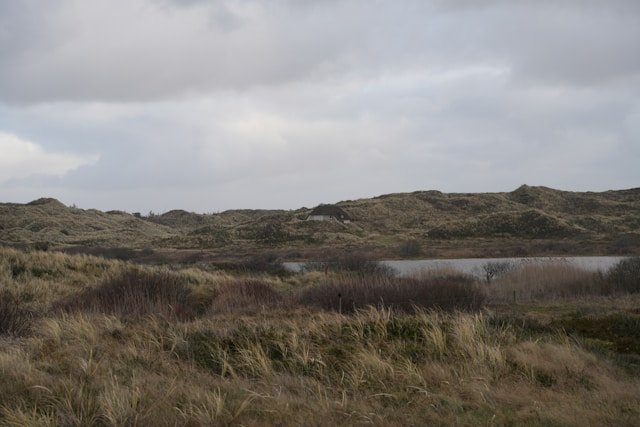
- Denmark: Flat, compact, and thoroughly connected. You’ll find 5G signals and high speeds virtually everywhere, including right on the beach.
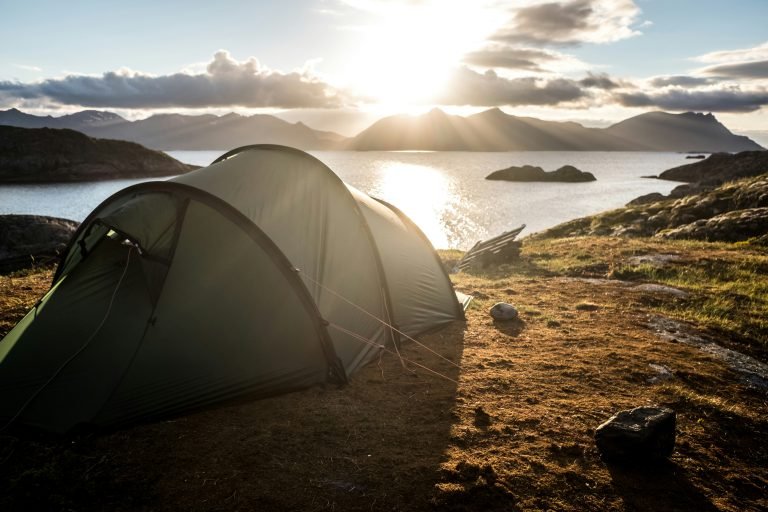
- Norway: Coverage in valleys and along main routes is excellent. It drops slightly in deep fjords (where steep mountain walls block the signal) and inside long tunnels, but as soon as you hit open space, it bounces right back.
- Sweden: Connectivity is solid across the board. You’ll only run into weaker signals in higher mountain areas or national parks well off the beaten path.
Local SIM Cards vs. eSIMs – Which Should You Pick?
If you need heavy data allowances for daily video calls or transferring large files, going local is your best bet:
- Finland: Hands down the best setup around. For about €20–25, you can pick up a prepaid SIM (from DNA, Elisa, or Telia) with completely unlimited data for 30 days. No ID registration is required—you can grab one at any kiosk or gas station.
- Denmark: You can easily pick up a prepaid card (such as Lycamobile, Lebara, or TDC) at supermarkets or gas stations without any tedious registration process.
- Sweden & Norway: Both countries require ID registration to buy a physical SIM. Because of this, eSIMs (like Airalo, Holafly, or Nomad) are by far the most hassle-free option. You can buy and activate a plan directly through an app in just a few minutes without hunting down a store.
Practical Tips for Working from Your Rig
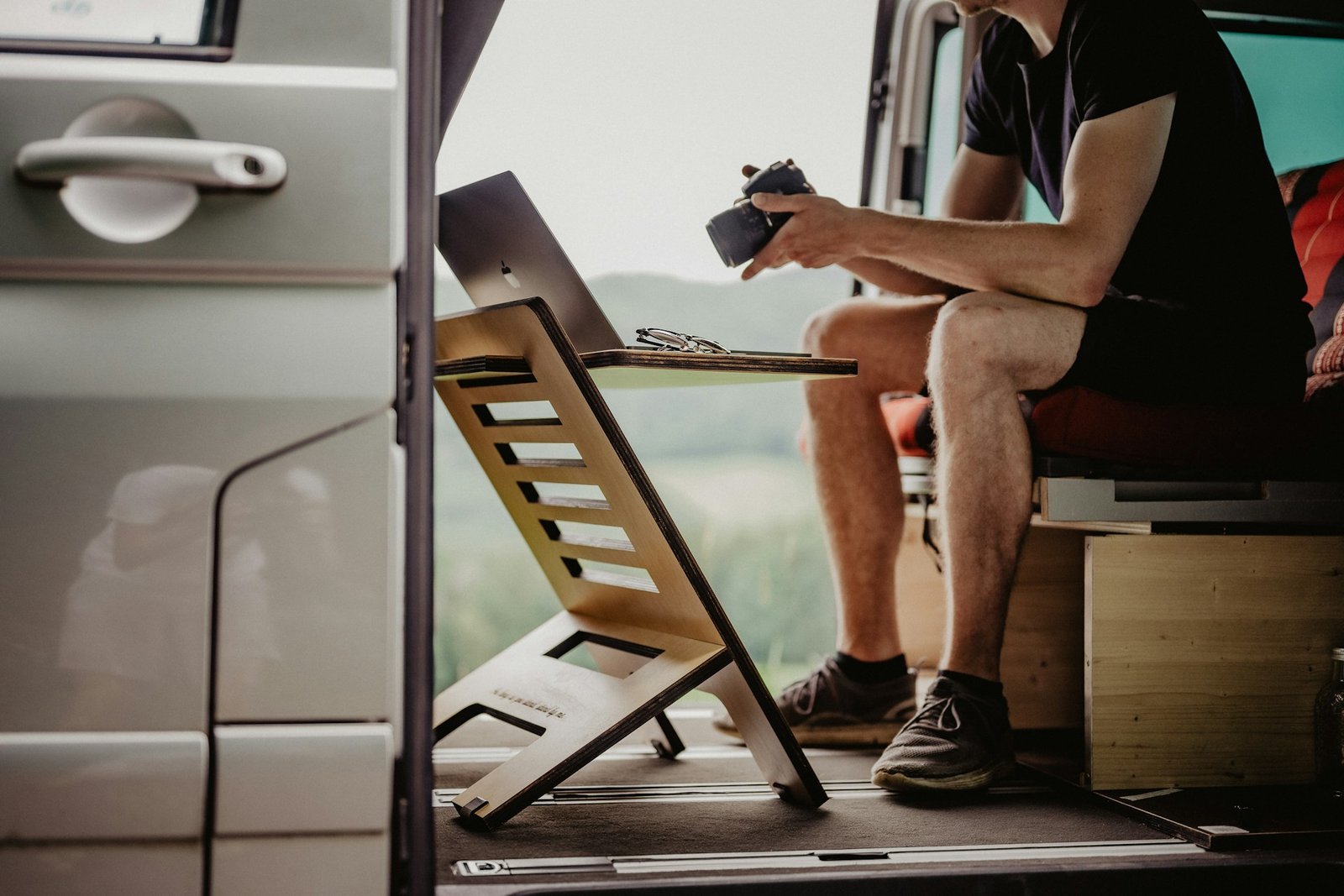
Working remotely from inside a van takes a slightly different setup than simply using your phone on vacation. Metal bodies and camper roofs can block cell signals quite a bit. Instead of running a hotspot off your phone, you are much better off using a dedicated mobile LTE/5G router paired with an external roof antenna.
Power management is another key factor. A laptop and a constantly running router draw a surprising amount of energy. If you plan on wild camping or boondocking, a reliable power setup—like properly sized solar panels or a solid DC-to-DC charger running off your alternator—is absolutely essential.
When planning your route, keep local parking regulations in mind. While you’ll easily find wild spots to park and work in Finland, Sweden, and Norway, Denmark doesn’t allow wild camping. Even though internet coverage there is top-notch everywhere, you’ll need to head to official campsites or designated Autocamperplads spots for your workday and overnight stays.
Final Thoughts
Working remotely in the North is a brilliant way to balance your daily job with life on the road without sacrificing comfort. Excellent coverage and easy access to high-data plans mean that, with just a little gear prep, Scandinavia is easily one of the most convenient places in Europe for vanlife.